Portugal & Spain: Recs
ABOUT
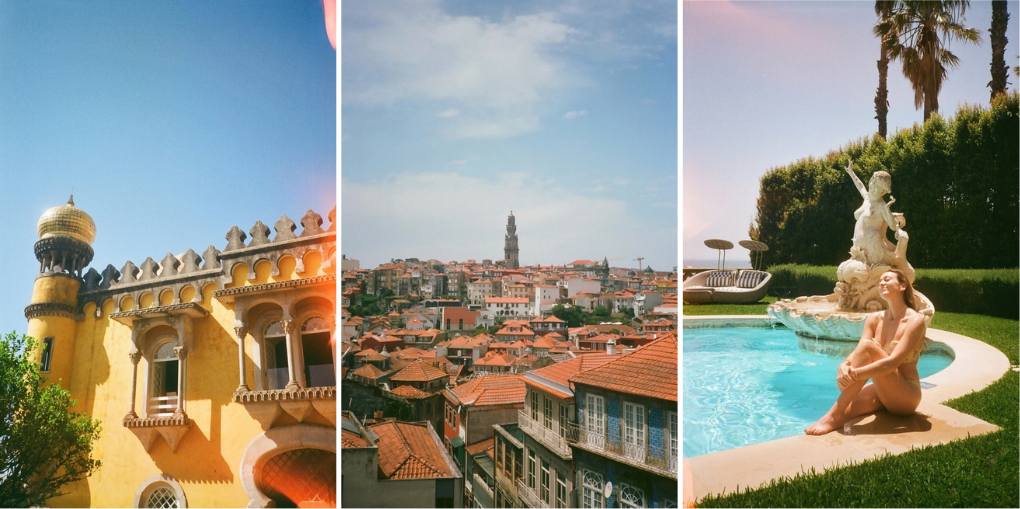
In June 2025 we spent 16 days in Spain and Portugal: 3 nights in Barcelona staying with friends, 2 nights in Porto, 4 nights in Lisbon, 2 nights in Cascais and 3 nights in Lagos.
The best time to visit Spain and Portugal is late spring or early fall (May-June or September-October). Warm and sunny without the peak summer crowds or heat.
June was ideal for our visit: warm and sunny, and the Algarve was not yet at peak crowds.
BARCELONA
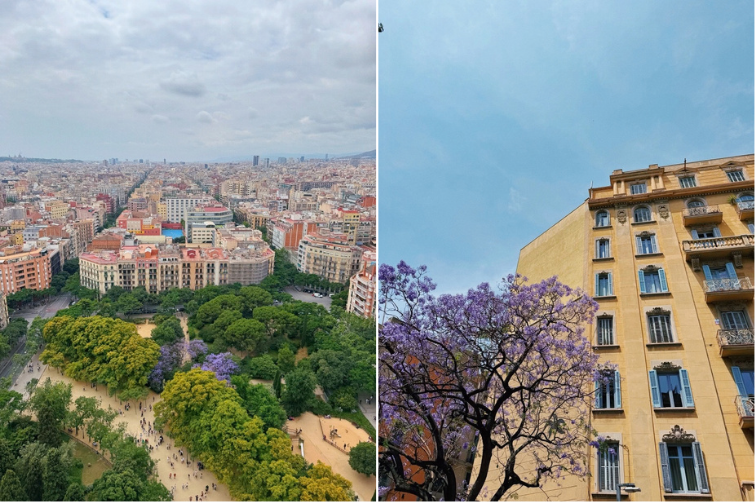
We stayed with friends in Gracia, a beautiful neighborhood easily walkable to great food and sights.
Food:
La Caseta del Migdia: outdoor lunch spot on Montjuic with sea views.
Cal Pep: tapas at the counter in El Born; go for seafood. The counter is walk in; let them bring out whatever seafood is best that day. The back dining room takes reservations.
Cañete: tapas bar for seafood and traditional Spanish dishes. The fish and seafood come from Catalan markets; book ahead.
RAÓ: modern Catalan, just off Las Ramblas. Try the Galician octopus with sweet potato or the potato tortilla with truffle; book ahead.
Berbena: small spot for seasonal plates and wine; book ahead. The menu changes, so this is one to go with what is in season rather than a fixed order.
Besta: go for the seafood tasting menu, you can book the counter facing the kitchen or the dining room.
Coffee & Breakfast:
Granja Petitbo: on Passeig de Sant Joan, try the eggs Benedict or ricotta pancakes.
Cremat 11: pancakes and brunch in El Born, close to the Picasso Museum.
Activities:
Park Güell: very touristy spot to see colorful mosaics, the famous dragon staircase and views of Barcelona. Book a timed ticket ahead.
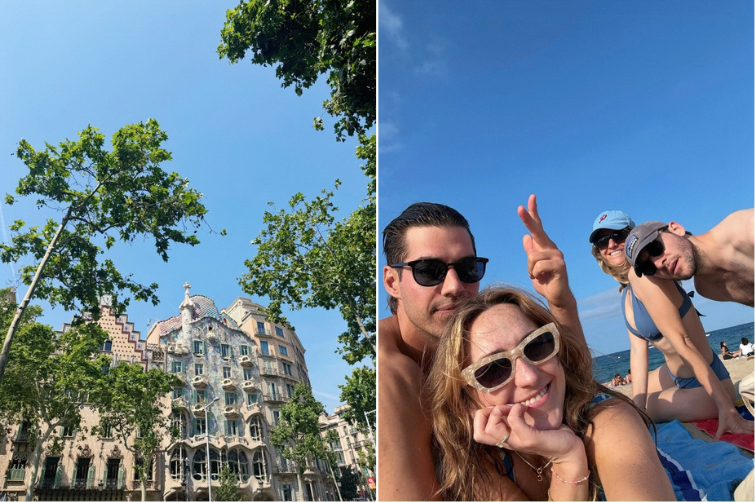
Casa Vicens: Gaudi’s first house, beautiful and less crowded than the other Gaudi architecture sights. Book a ticket ahead.
Gracia: walk around the neighborhood. The little squares and cafe terraces are lovely for people watching and just hanging out.
Passeig de Gracia: the big shopping street, extremely touristy and crowded, but walk down it if it is convenient for one of your destinations.
Sagrada Familia: Gaudi’s magnum opus. Buy tickets in advance and do the tower climb.
Palau de la Música Catalana: beautiful concert hall with stained glass and mosaics.
Picasso Museum: more focused on his early paintings and the Las Meninas series vs major famous pieces. The old palaces in the surrounding area (El Born) are part of the reason to go.
Barceloneta Beach: for paella on the water and a swim.
CaixaForum: an old Modernist textile factory, turned art museum. Worth a look for the building as well as the changing exhibitions.
Montjuic: hike up to see the castle, a hilltop fortress, with views over the city and harbor.
PORTO
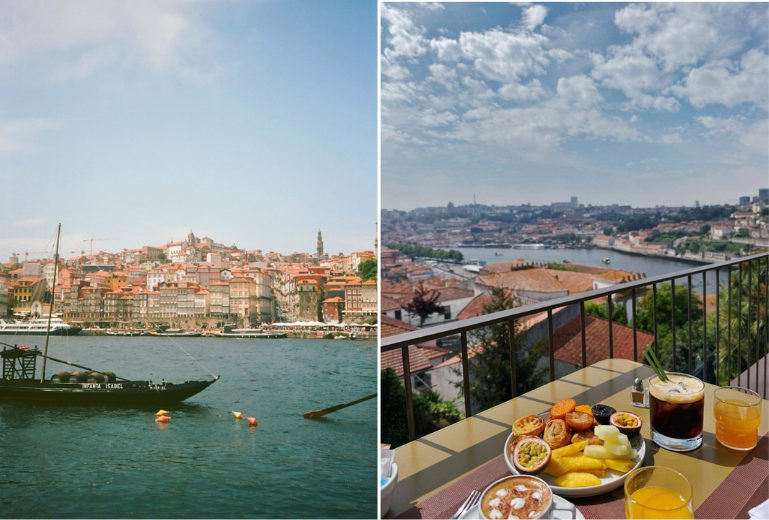
We stayed two nights at Hotel Torel Avantgarde, which has a lovely pool with views over the river.
Food:
Manteigaria and Castro: for pasteis de nata, the famous Portuguese egg custard tarts.
Restaurant Raiz: make a reservation for dinner, this meal was amazing and the building itself was beautiful.
Voltaria: for francesinha, Porto’s famous meat/sausage sandwich covered in melted cheese.
Casa Guedes: for the pork sandwich.
Conga: for bifanas, thin slices of pork in a roll, the house sauce is the main thing here.
Mercado do Bolhao: grab snacks and explore the market. Go for the fresh produce, cheeses and food stalls rather than a sit down meal.
Gazela: get cachorrinos as a drinking snack. They are little toasted hot dogs with sausage, cheese and spicy sauce.
Taberninha: riverside dining in the city.
Taberna dos Mercadores: traditional Northern Portuguese food. It is tiny, with only eight tables, so reserve ahead.
Rua Tapas & Music: lowkey tapas and live music. Check the music schedule when you book; the live bands are the reason to pick this one.
Coffee & Breakfast:
7g: a specialty coffee roaster. It roasts its own beans in Gaia, so a good stop if you are already across the river.
So Coffee: specialty coffee.
Majestic Cafe: the historic cafe.
Drinks:
The Royal Cocktail Club, Torto Galeria de Paris for cocktails. Torto is walk in.
Genuino, Prova Wine Bar or Wine Quay for a glass of wine. At Prova, ask for help choosing Portuguese wines by the glass.
Activities:
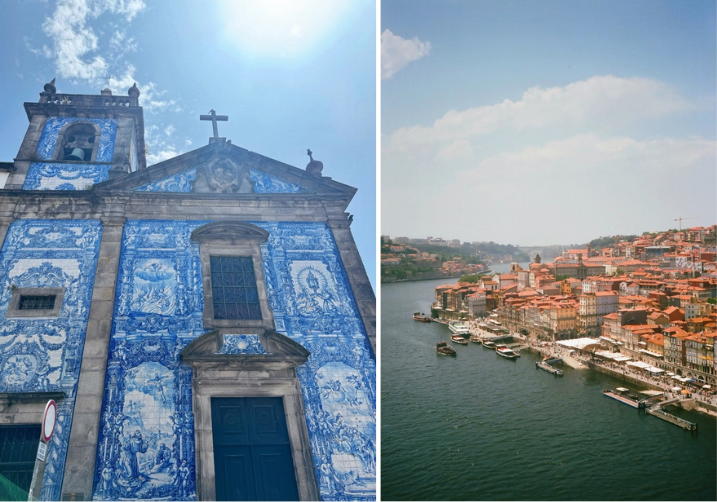
Cais da Ribeira: walk the promenade along the Douro River.
Porto Cathedral: go inside this one.
Sao Bento Train Station: stop inside to see the tiles showing Porto’s history.
Church of Saint Ildefonso: another church worth stopping briefly by.
Rua Santa Catarina: walk the pedestrian street for shopping.
Chapel of Souls: make a quick stop as you walk by. The blue and white tiles cover the outside, so you get a lot out of just walking past.
Torre dos Clerigos: climb the tower for the view over Porto.
Livraria Lello: buy tickets in advance for the bookstore (will be quite crowded so try to go early). The winding staircase and carved interior are stunning. Book your entry online.
Igreja do Carmo & Igreja dos Carmelitas: look at the churches from the outside.
Luis I Bridge: cross the bridge to Gaia. Then wander the shops, waterfront and wine cellars.
Jardim do Morro: bring drinks and snacks for sunset and live music.
Cockburn’s, Graham’s or Calem: book a cellar tour and port tasting.
LISBON
We stayed four nights at Torel Palace. Another spot that caught my eye was Pestana Palace Hotel for the palace and grounds.
Food:
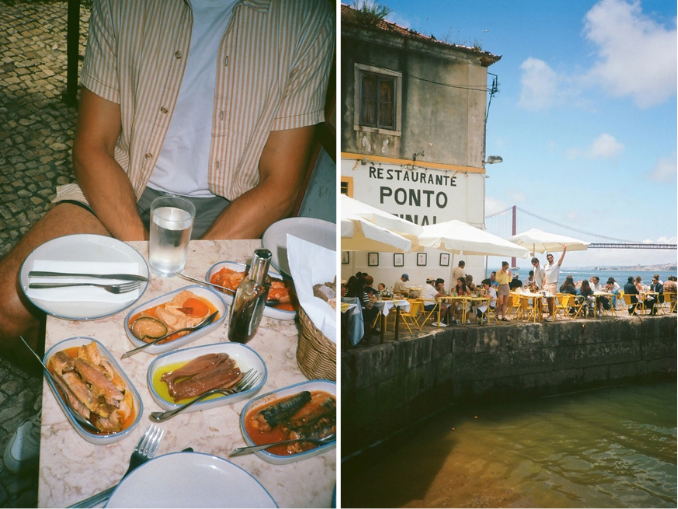
Ponto Final: lunch across the river was worth the trek, especially the margerine prawns, cod fritters, octopus salad and grilled sardines.
Rosamar: an incredible meal; walk around the neighborhood afterward. Go for oysters and grilled Portuguese fish. The terrace is a nice option.
Cafe de Sao Bento: for the house steak with its creamy sauce and fries; reserve ahead.
Miss Can: Stop for tinned fish on the way down from the castle, get the anchovies or stuffed squid and skip the tuna. The tins come from a family business making canned fish since 1911, so this is a nice place to try Portuguese conservas.
Oficio: I didn’t go, but friends said it was their best meal in Portugal. It now focuses on wine and tasting menus, so check the current menu when you book.
Taberna da Rua das Flores: a friend’s favorite; line up early because there’s always a wait. They do not take reservations; put your name down at the door and go for a drink while you wait.
Cervejaria Ramiro: another weekend seafood option. Go for shellfish, especially prawns, then the steak sandwich they call dessert. Reserve ahead.
Prado: seasonal, farm-to-table food. The dishes change with Portuguese produce, so check the menu rather than going for one specific order; book ahead.
Coffee & Breakfast:
Manteigaria: for pastel de nata, though I liked the Porto location more.
Tact, Dramatico, Comoba, Marquise, Ele ELA Cafe, Hello Kristof or Seagull Method: all for specialty coffee.
Dear Breakfast: all-day brunch.
The Coffee: minimal Japanese-style coffee.
Drinks:
Toca da Raposa or Cinco Lounge: for a cocktail bar.
Try Ginja! A sweet, slightly tart cherry liqueur served in shots, stop at a traditional ginja shop for a classic Lisbon drink.
Park: go for sunset and take the parking garage elevator to the top.
Musa da Bica: for a casual beer.
Pensao Amor: living-room-style bar with live music.
Activities:
Castle of Sao Jorge: visit in Alfama, no need to pay for a tour. Go for the ramparts and views over the city and river; buy your ticket from the castle’s official site.
Miradouro das Portas do Sol: stop for the view over Alfama.
Miradouro de Santa Luzia: another viewpoint in Alfama. The tiles make the viewpoint itself pretty, not just the view.
Lisbon Cathedral: walk by and look at it from the outside.
St. Anthony’s Church: another church to stop at on your walk.
Praca do Comercio: the main square right on the river.
Rua Augusta: walk the main pedestrian street.
Carmo Convent: see the ruins left by the earthquake.
Livraria Bertrand: stop at the old bookstore. It is the oldest bookstore still operating in the world, so a nice quick stop if you like books.
Praca Luis de Camoes: a lively square in Chiado.
Rua da Silva: a local street for coffee shops, galleries and boutiques.
LX Factory: walk through the shops, bars and restaurants. We really enjoyed the shopping here.
Ler Devagar Bookstore: stop in while visiting LX Factory. It is more than shelves of books, with exhibitions and little mechanical artworks in the old industrial space.
Jeronimos Monastery: buy a ticket in advance. Go for the carved stone cloisters and Manueline architecture; book through the official museum site.
CASCAIS
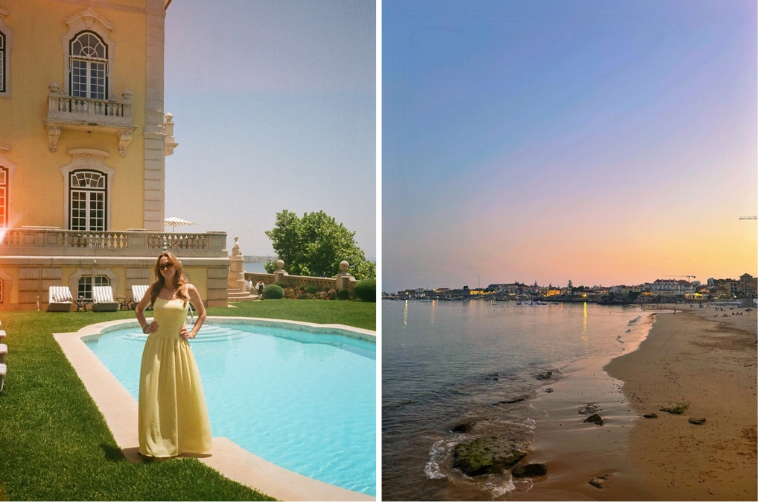
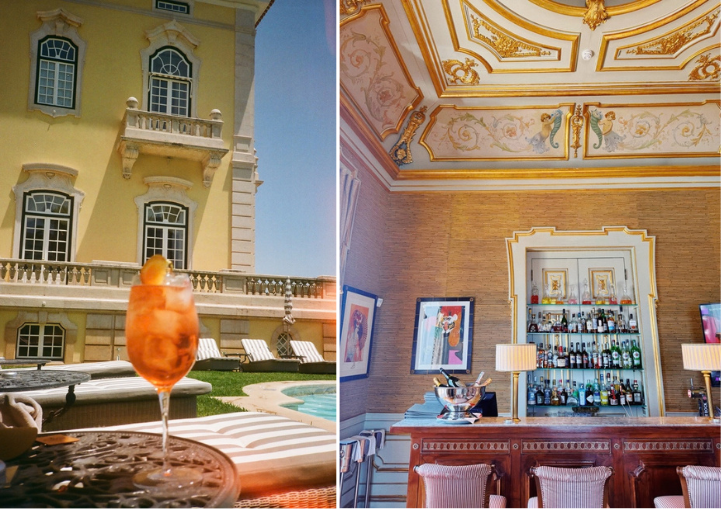
Cascais is a cute seaside town with a nice beach, about 30 minutes from Lisbon. We stayed two nights at Estoril Vintage, a historic manor house. Cascais is a great location to take a day trip to Sintra and was our favorite town we stayed in during our trip.
Food:
Baía do Peixe: a casual seafood spot with a glass wall overlooking the water and the best octopus I’ve ever had.
Rua Amarela: a cluster of little streets closed to cars, with restaurants and terraces for dinner in town.
Taberna Clandestina: Portuguese and Italian small plates and cocktails, with a terrace in Rua Amarela. Reservations are only for the early dinner slots; after that, put your name on the waiting list.
Hífen: sharing plates and cocktails overlooking the bay, with a more modern feel. Try the ham or alheira croquettes and split a few plates; book ahead.
Santini: a classic ice cream stop on Avenida Valbom; take it down to the bay.
Activities:
Praia da Conceição and Praia da Duquesa: neighboring sandy beaches for a swim and a walk along the waterfront.
Praia da Rainha: a small sheltered beach tucked into the town, reached from the pedestrian streets.
Boca do Inferno: walk along the coast to the rocky sea arch, then stop by the Santa Marta lighthouse on the way back.
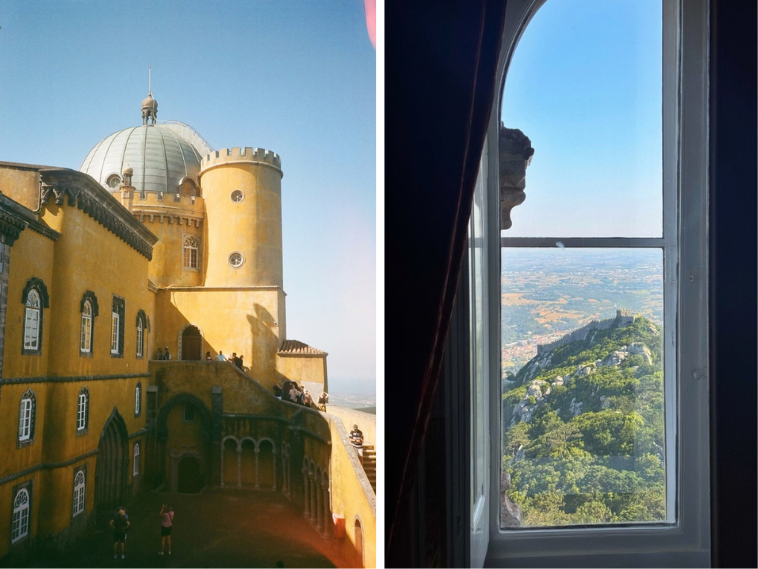
Day Trip to Sintra: a historic town in the wooded hills, with palaces, gardens and a Moorish castle. In the 1800s, King Ferdinand II turned an old monastery into Pena Palace, helping make Sintra a center of Romantic architecture. The whole cultural landscape is now a UNESCO World Heritage Site.
Pena Palace: an extremely popular castle in Sintra. It was beautiful but the crowds make it almost unbearable (be warned). Book a timed palace ticket ahead and allow time to walk through the park to the entrance (~30mins).
Note you need to drive up and back down to town, we attempted to walk down and ended up having to hail a pedi-cab instead (bring cash) there is no real trail back.
Hike to the High Cross: walk up after visiting Pena Palace for the views.
Tascantiga: lunch during the Sintra day trip.
Piriquita: for pastries. Get the travesseiro, puff pastry filled with egg cream and almond, or a queijada, a little fresh cheese and cinnamon tart.
Palacio de Quinta da Regaleira: walk over after lunch to explore the palace and grounds. The gardens, tunnels, etc. Buy tickets through its official site. Note: We bought tickets and ended up not even going because it was so crowded.
LAGOS & THE ALGARVE
The Algarve is Portugal’s southernmost region, about a three-hour drive from Cascais. Stop in Ferragudo on the way to walk around the fishing harbor. We stayed three nights at Cascade Wellness Resort (to use points) but would have preferred to stay at one of the boutique hotels: Casa Mae, Bela Vista, or Vila Vita Parc or detour to Melides for Vermelho.
Food:
O Camilo: a lunch or dinner stop on the coast with a nice view. Get fresh fish/traditional Algarve seafood. Reservations are by phone or in person, not online.
Restaurante A Forja: traditional food in the old town.
Don Sebastiao: traditional food in the old town, a little nicer than Forja. Fresh fish and live shellfish are the main event.
Restaurante Pescador: traditional Portuguese food and fresh seafood.
Casinha do Petisco: a popular family-run spot; make a reservation. Phone ahead for an early dinner; later in the evening they use a waiting list.
Calhou: pizza and Portuguese food a little outside the old town. A good option for Neapolitan pizza if you want a break from seafood; contact them ahead for a table.
Mar d’Estorias: rooftop bar and restaurant in the old town. You can reserve the restaurant, but the rooftop terrace is walk in.
Mimar: tapas and wine. Try the garlic prawns or alheira croquettes.
Mare: has a nice view over Lagos harbor.
Beaches:
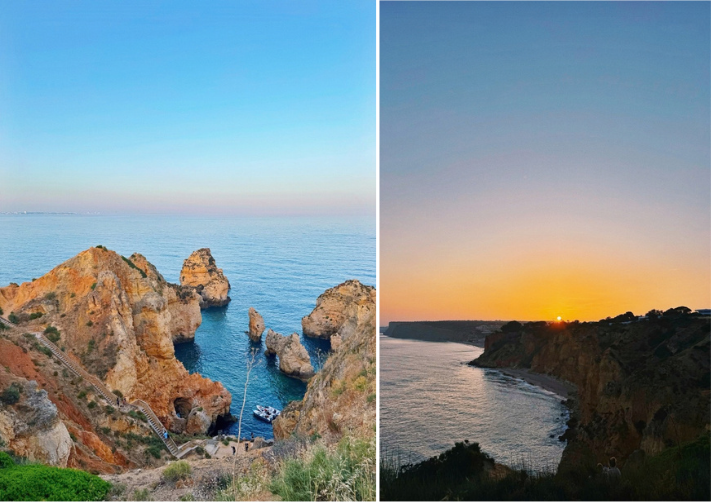
Praia Dona Ana: go for an afternoon at the beach. The limestone cliffs and clear water are the draw, it is a pretty little cove rather than a long beach walk.
Praia do Camilo: a small beach down a steep wooden staircase; go early and look for the tunnel to the second beach.
Praia do Pintadinho: stop at the lookout above the beach in Ferragudo.
Praia dos Caneiros: another beach stop near Ferragudo.
Activities:
Ponta da Piedade Viewpoint: keep left past the lighthouse to find the stone stairs down to the sea.
Castelo de Ferragudo: look at the castle by the beach.
Igreja de Ferragudo: a white and yellow church to stop at while exploring the town.
Kayak tour of the Benagil Cave: Book a guided tour ahead, and check the sea conditions and current cave rules before going.
Day Trips From LAgos
O Teodosio, Ramires or O Ribeirinho: stops in Guia for piri piri chicken (a traditional Portuguese dish).
Igreja de Sao Lourenco: stop at the blue-tiled church in Almancil. The blue and white tiles cover the walls, ceiling and dome.
Faro: Walk through the Arco da Vila into the old town and stop at the cathedral.
Olhao local mercado: walk through the local market. The waterfront halls have separate fish and produce markets, a good place to see what is caught and grown locally.
Cha Cha Cha: dinner stop in Olhao. The menu changes with what is fresh at the market, especially fish.
Burgau: coffee on the way to Sagres.
Ceramica Paraiso: roadside stop for ceramics.
Sagres: this stop has colder and windier weather.
Cape Saint Vincent lighthouse: sunset over the cliffs, but the lighthouse and fortress are currently closed to visitors.